
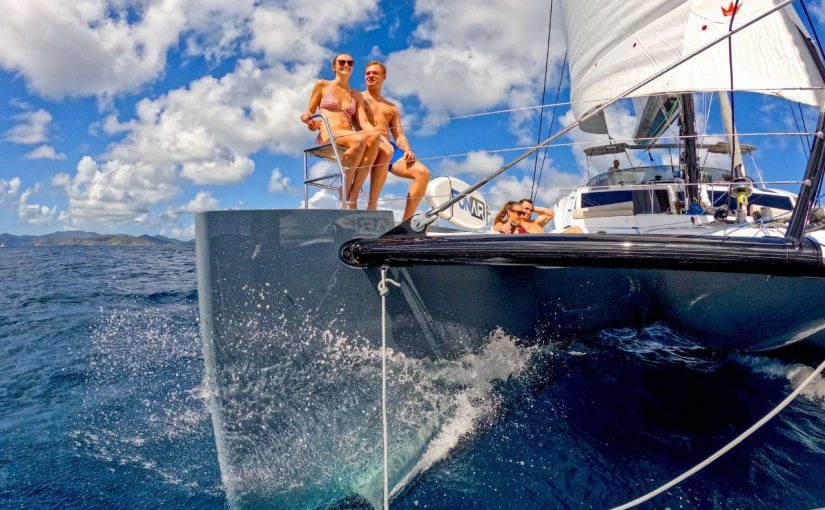
Southeast Asia is one of the world’s most compelling destinations for yacht cruising. The Andaman Sea, the Gulf of Thailand, the waters around Langkawi, Phuket, and the Vietnamese coast offer anchorages, passages, and conditions that draw blue-water sailors and coastal cruisers alike. What comes with that territory is a sustained assault on skin: intense UV reflecting off flat water, salt spray that builds up over long passages, humidity that barely drops below 80 percent even offshore, and monsoon seasons that soak through every layer of protection you brought. Yacht cruisers from cooler climates usually arrive without any real preparation for how these exposures compound over weeks at sea.
Before our first Thailand passage, a friend who had completed several Andaman crossings recommended getting a proper skin evaluation before leaving. She had seen Lumine Dermatology & Laser Clinic treat two of her crew members for cumulative sun damage and a persistent contact rash that had seemed manageable at sea but worsened across months of cruising. That advice turned out to be sound. Growing reports of fungal skin infections and eczema across Thailand and Southeast Asia reflect conditions that hit yacht crews particularly hard — you are wet, exposed, and often far from a clinic.
How Sun and Salt Work Together Against Yacht Crews
Yacht sailors face UV exposure from two directions at once. Direct sunlight comes overhead; reflected radiation bounces off the water’s surface back up at you. At tropical latitudes, the sun’s angle through the atmosphere is steep, which means less atmospheric filtering and more UV at skin level than the same duration of exposure would produce in a temperate climate. Water reflects roughly 10 to 25 percent of UV back upward, so time on deck near the equator delivers about a quarter more radiation than the sky alone supplies. Across a multi-week passage, that accumulates in ways that a single beach day cannot replicate — and yacht crews spend entire days on deck, not hours.
Salt compounds the problem in ways that shore-based sun exposure does not. Saltwater strips natural skin oils, and when exposed skin is alternately soaked and dried day after day on passage, the outer skin layer begins to break down. That breakdown creates entry points for bacteria and fungi that thrive in warm, humid coastal conditions. Many cruisers attribute persistent rashes or dermatitis to sun exposure when the actual cause is salt-induced barrier degradation followed by microbial invasion. The distinction matters because it changes the treatment approach.
Fungal Infections: Why Yacht Cruisers Are Particularly Vulnerable

Tinea versicolor, ringworm, and interdigital tinea — the kind that develops between toes and in skin folds — are common problems for yacht sailors spending extended time in tropical regions. Warm, wet skin is the ideal environment for the fungi involved. According to the CDC’s research on climate and fungal disease, warming temperatures and increased precipitation are expanding the geographic range of several pathogenic fungi, and Southeast Asia’s climate already sits well within conditions where these organisms are established year-round.
Yacht cruisers are especially susceptible because of how passage life actually works. You are in damp clothing for hours. Freshwater for rinsing after saltwater exposure is limited on a crossing. Synthetic sailing fabrics trap moisture against skin rather than wicking it away. Weeks of disrupted sleep, nutritional variability, and sustained physical effort from watch schedules and sail handling suppress immune response enough to make fungal infections easier to establish and harder to clear. The practical fix is not avoiding the water — it is building disciplined dry-time habits into your routine at anchor or in port.
Eczema and Dermatitis on Extended Passages

Yacht cruisers with no prior eczema history sometimes develop it for the first time in Southeast Asian waters, typically during or after sustained monsoon sailing. The cause is not always allergic. Contact dermatitis from sail materials, rope residue, varnish, and antifouling paint is common aboard and often misdiagnosed as sun damage or heat rash. True atopic eczema can be triggered or worsened by sweat, by the specific detergents available in port laundries, and by the physical stress of offshore passages that deny the body its normal recovery time.
The World Health Organization’s work on skin-related neglected tropical diseases has documented how skin conditions that seem manageable in isolation can escalate when appropriate treatment is delayed. For yacht cruisers, remoteness is a feature of the lifestyle, which means identifying a skin problem early — before it becomes infected or entrenched — carries real practical weight. A rash that a short course of topical treatment could resolve in harbor can become a serious complication two weeks offshore with no specialist access.
Building a Practical Skin Routine for Tropical Passages

There is no single routine that works for all cruisers in all conditions, but several principles hold consistently across the region. Broad-spectrum sunscreen at SPF 50, applied before going on deck and reapplied every two hours regardless of cloud cover, is the baseline. UV-blocking sailing fabric is more reliable than sunscreen alone for extended exposure because it does not wash off, does not require reapplication, and addresses the reflected component from the water’s surface — which sunscreen on the back of your hands does not.
Antifungal powder in sailing shoes and between the toes during multi-day passages is worth carrying before you need it rather than searching for it in a marina chandlery. A straightforward moisturizing routine using a non-comedogenic product applied to clean, dry skin after rinsing helps maintain barrier function. Diluted chlorhexidine washes on areas prone to fungal growth are used by some long-distance cruisers, but sparingly — daily use disrupts the skin microbiome that provides baseline protection against more dangerous organisms.
When to See a Specialist Before or After a Voyage

Most yacht crews dealing with skin problems offshore wait longer than they should to address them, either because they underestimate severity or because reaching a clinic means abandoning the schedule. Certain situations make delaying professional assessment inadvisable: any lesion that is growing, any rash accompanied by swelling or warmth, infections near the eye or on the face, and anything that has not responded to basic treatment within five to seven days.
Pre-departure consultations with a dermatologist familiar with tropical exposures serve a concrete purpose — not only for people with existing conditions. A baseline evaluation identifies existing vulnerabilities, allows prescriptions for conditions likely to arise during extended cruising, and means you carry appropriate treatment rather than improvising with what is available at a chandlery in a foreign port. For vessels returning from extended Southeast Asian cruising, a post-voyage skin check catches slow-developing conditions, including cumulative UV damage and subclinical tinea, before they are dismissed as ordinary fatigue or post-passage wear.