
Seasoned buyers do not treat San Miguel de Allende like a single, simple market. They treat it like a set of tight micro-markets with different buyer pools, different rental patterns, and very different renovation risk. That mindset changes everything. It shifts the focus from chasing a “good deal” to building a clean, defensible investment thesis that still works after inspection surprises and the real costs of owning a home in a historic city.
They also know the obvious is already priced in. The charm, the architecture, the lifestyle pull. Those factors attract buyers, yet experienced investors win by doing the unglamorous work: street-level comparables, title verification, building systems, and long-term maintenance planning. If you are scanning neighbourhood research from DreamProHomesLuxury, start with a specific area profile like https://dreamprohomesluxury.com/san-miguel-de-allende/neighborhood/obraje/ and then verify the details on foot, block by block, at different times of day.
They Price the Micro-Market, Not the Headline City

Experienced investors begin with a blunt truth: two homes can sit ten minutes apart and behave like different assets. Grade changes matter. Noise patterns matter. A single street can shift demand if it solves parking, walk time, or daily errands. That is why pros build comps that look “too close” to be useful. Same slope. Similar views. Similar access to Centro. Similar construction era. Similar water storage setups. If a comp does not match those basics, it can distort pricing.
They also separate view value from view marketing. Views sell and views rent. Yet views can come with exposure, wind, and hard-to-fix heating and cooling needs. A hilltop home might photograph like a dream and live like a drafty shell. Meanwhile, a quieter home with bright interiors and an easy walk can outperform it on rental consistency. Pros visit at sunrise, midday, and after dark. They listen. They check street lighting. They watch traffic and pedestrian flow. They treat this as underwriting, not sightseeing.
They finish by mapping the buyer pool each pocket attracts. Some blocks pull second-home buyers who want a lock-and-leave place. Others pull full-time residents who demand storage, a serious kitchen, and reliable internet. If you buy a property that fights the local buyer profile, you can still make money, yet you can lose time. Time cuts returns.
They Underwrite Demand Using Real Reasons People Keep Coming Back
Investors with experience do not rely on vague “tourism is strong” logic. They tie demand to structural drivers that show up year after year: heritage appeal, arts and culture, seasonal events, and the steady flow of lifestyle buyers who want more than a short visit. That long-term magnetism matters because it supports resale depth, not just nightly bookings.
Then they break demand into segments. Weekend demand looks different from longer stays. Cultural travellers, wedding guests, remote workers, and snowbird-style residents each book different property types. A studio can perform well for short stays near action. A two-bedroom with outdoor space can dominate for longer stays. A home with a separate casita can serve both markets and widen the resale pool later.
They also plan for seasonality without panic. Peaks and softer weeks are normal. The key is pricing strategy and property fit, not fantasy year-round occupancy. Pros look for assets that hold value during slower periods: quiet bedrooms, good heating for cool nights, solid water pressure, and maintenance that does not spiral. They prefer reliability over flashy finishes that break.
They Treat Legal Diligence as Part of the Return

Experienced investors talk about title first, before paint colours or furniture packages. They respect the formal process used to record and validate property transactions in Mexico, and they still add independent legal review for extra protection, especially on older properties with a long chain of prior transfers. The goal is simple: remove uncertainty before it becomes expensive.
They also know foreign ownership rules in practical terms. San Miguel de Allende is inland, so many foreign buyers hold direct title there. Even so, pros verify the exact property status, the deed chain, and registration details. They do not rely on assumptions or verbal assurances. They require clarity in writing, in the right places, before money moves.
They stay alert to ejido risk too. It comes up more often on the fringes, on larger parcels, or when someone pitches “cheap land” with a handshake story. Serious investors treat ejido as a specialist topic that requires clear proof of regularized private title. This is standard discipline, not fear.
They Model the Full Cost Stack, Including Time
Many buyers estimate closing costs. Fewer model the cost of time. Experienced investors do. They plan for the reality that certain projects move slower in a heritage city. Contractor schedules shift. Materials arrive late. Permitting adds steps. A single delay can wipe out a season of rental income or push resale timing into a weaker window.
They build timeline cushion into the purchase itself. That means a realistic scope, a clear plan for sourcing materials, and a contractor relationship that includes documentation and milestones. They also separate cosmetic upgrades from system upgrades. Paint and fixtures can wait. Plumbing, electrical, drainage, and roof integrity cannot. This prioritization protects both comfort and capital.
They also build an honest operating budget. Not a spreadsheet fantasy. They include water storage maintenance, filtration, roof sealing, pest control, and property management. They plan for periodic upgrades that renters expect, like improved Wi-Fi coverage or better hot-water delivery. Older homes can hide layered renovations, so pros budget for professional inspections and contingency work.
They Buy for Flexibility so the Exit Stays Easy
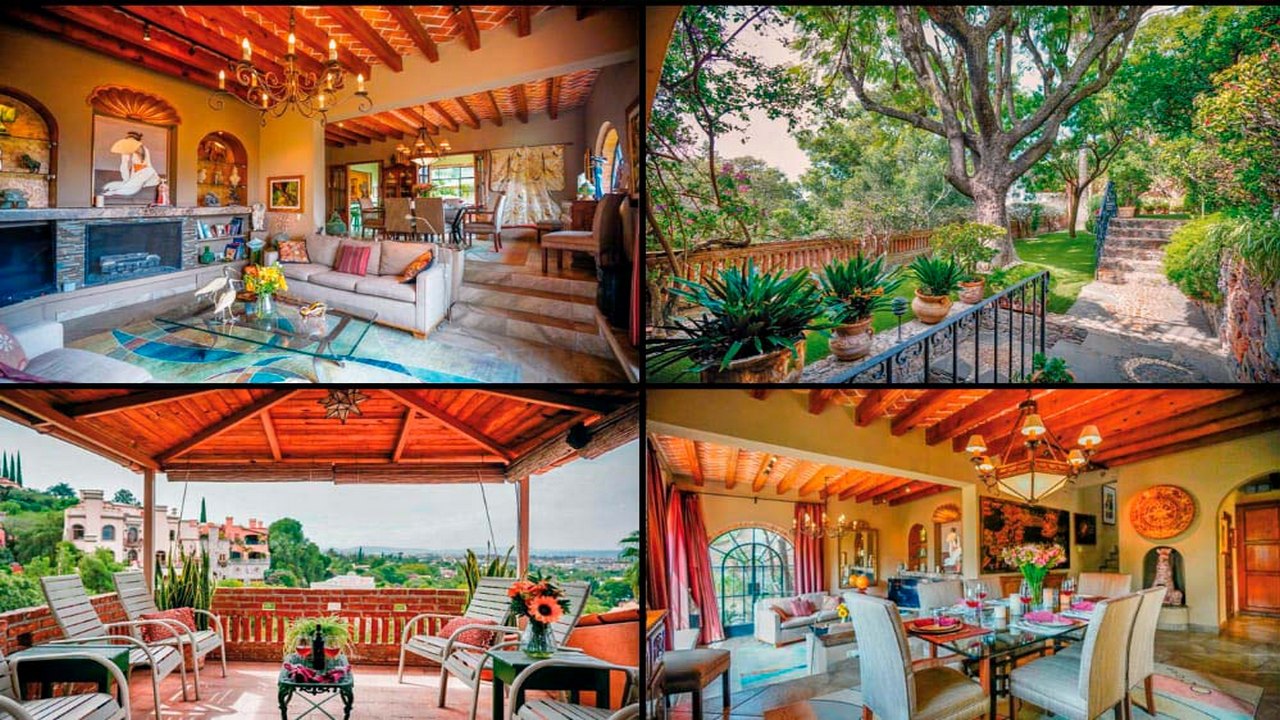
Experienced investors rarely buy a one-purpose property. They buy assets that can shift between uses as the market changes. A home that works as a primary residence and a rental stays liquid. A layout that supports multi-generational visits appeals to more buyers. A separate studio or casita can function as guest space, rental space, or a quiet office. Flexibility protects resale value.
They design for the next buyer, not just the current trend. Trends move fast. Daily comfort does not. Sound insulation. Natural light. Good storage. A practical laundry area. A kitchen that supports real cooking. These features attract longer-stay renters and serious end buyers. Pros prioritize them because they reduce vacancy and reduce discounting at resale.
They watch building form too. Colonial homes can be spectacular, yet experienced investors do not ignore condo-style offerings when the fit makes sense. Condos can reduce maintenance exposure and simplify management. The key is governance quality, clear rules, predictable shared expenses, and a building culture that protects owner value.
They Protect the Downside with Local Operations, Not Hope
Pros treat property management like an investment partner, not an afterthought. They hire for responsiveness and systems. They set standards for check-ins, cleaning, maintenance logs, and emergency response. They also insist on photo documentation after turnovers. This reduces disputes, catches issues early, and keeps the asset in show-ready shape.
They invest in infrastructure that prevents common headaches. Reliable water storage and pumps. Leak detection. Electrical upgrades when needed. Thoughtful drainage planning before rainy season. These are not “nice to have” items. They reduce cancellations, protect finishes, and limit long-term repair costs. In rental performance terms, they protect revenue by protecting reputation.
They also respect neighbours and community rules. Noise complaints, parking conflicts, and short-term rental friction can hurt a property’s performance. Experienced owners set clear guest rules, manage arrival timing, and keep exterior upkeep tight. In a city built on beauty and daily life, word travels fast. A well-run home stays booked, stays respected, and stays easier to sell later.