

Flying a flag near the ocean carries a special kind of pride. Whether it’s your country’s flag, a nautical signal, or your sailing club’s emblem, a flag can say a lot about who you are and where you belong. But to fly your flag with style and confidence, you need the right flagpole.
Buying a flagpole might seem like a small decision, but it involves more than just picking a tall stick. From materials and wind ratings to mounting style and weather resistance, every detail counts—especially if you live near the sea. With the right flagpole, you can proudly fly your flag while enjoying the coastal breeze, knowing it’s built to last.
Living by the sea means dealing with strong winds, salty air, and constant moisture. These conditions can wear down a poorly chosen flagpole fast. Choosing one isn’t just about looks—it’s about strength, material, weather resistance, and even the right flag pole rope to keep your flag waving in the breeze. So, it’s important to understand what makes a flagpole not just beautiful, but durable. In this guide, we’ll explore the most important factors to help you pick the best flagpole for your coastal home, marina, or sailboat dock.
Material Matters. Aluminum vs. Fiberglass
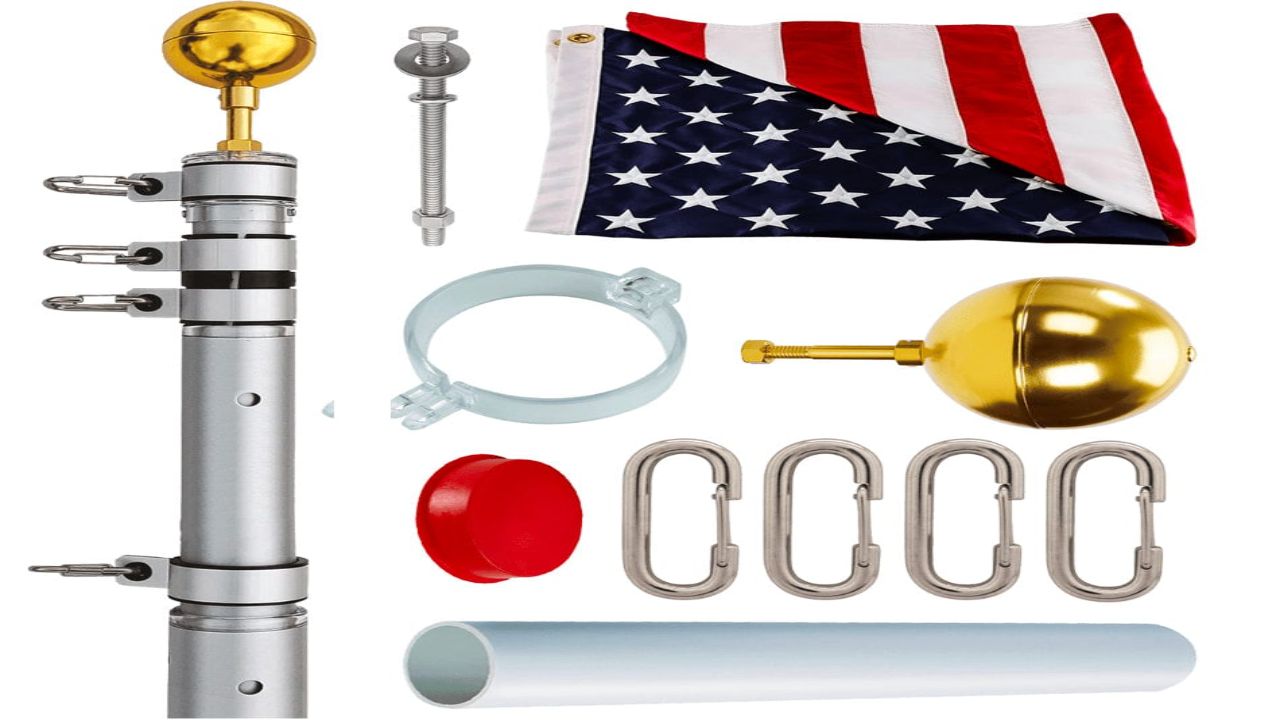
One of the first things to consider is what your flagpole is made of. Aluminum and fiberglass are the two most common materials, and each has its benefits. Aluminum is lightweight, strong, and resistant to rust. It’s a popular choice for coastal areas because it can handle salty air pretty well, especially if it has a protective finish.
Fiberglass, on the other hand, is non-corrosive and even more resistant to salt and moisture. It’s a bit more flexible than aluminum, which means it bends rather than breaks in strong winds. Fiberglass poles often come with a gel coat that helps them last longer and stay looking new. If you’re near the ocean, where conditions can be rough, fiberglass might be the smarter long-term choice.
Height and Proportion
The height of your flagpole should match the space around it. A short pole might look lost next to a large house or building, while a tall pole in a small garden can feel out of place. For most residential settings, flagpoles range from 15 to 25 feet tall. If your property sits on a hill or bluff, you may not need an extra-tall pole for your flag to stand out.
Also, consider how many flags you want to fly. If you plan to fly more than one, you’ll need a taller pole with double halyards (ropes) to handle multiple flags without them tangling. And remember, the taller the pole, the stronger it needs to be—especially in windy coastal areas.
Wind Speed Rating
Wind is one of the biggest threats to a flagpole. That’s why each pole has a wind speed rating—how much wind it can handle before bending or breaking. For homes near the ocean, a rating of 90 mph or higher is a smart choice. Gusty winds are common along the coast, and it’s better to be safe than to watch your pole snap in a storm.
If you live in an area known for hurricanes or tropical storms, consider going even higher. Some commercial-grade poles can handle 120 mph winds or more. Always check the specs before you buy, especially if your flagpole will be in an open area with no buildings or trees for shelter.
Mounting and Installation
The most common choice is an in-ground mount, where the pole is set in concrete. This gives the most stable result and works well for most yards or open spaces. If you’re installing near the beach or on rocky ground, you might need special mounting gear or professional help.
Wall-mounted flagpoles are another option. These are smaller and attach to a building, porch, or post. They’re great if you don’t have space for a full-size pole or want a simpler look. Keep in mind, though, that wall-mounted poles are often less durable and not ideal for flying large flags or handling high winds.
Rope System. Internal vs. External Halyard
The halyard system—the rope used to raise and lower your flag—is an important part of any flagpole. There are two main types: external and internal. External halyards are ropes on the outside of the pole. They’re simple to use and easy to replace, but they can be noisy in the wind and more prone to wear from the elements.
Internal halyards, on the other hand, are tucked inside the pole and accessed through a lockable door. They’re quieter and more secure, especially useful if your pole is in a public place or near the water. Internal systems often cost more, but they also offer better protection against theft and weather damage.
Flagpole Accessories
Accessories might seem like extras, but they can improve how your flagpole looks and works. A finial—like a ball or eagle—adds a finishing touch to the top of the pole. It’s decorative, but it also protects the pole from moisture entering the top.
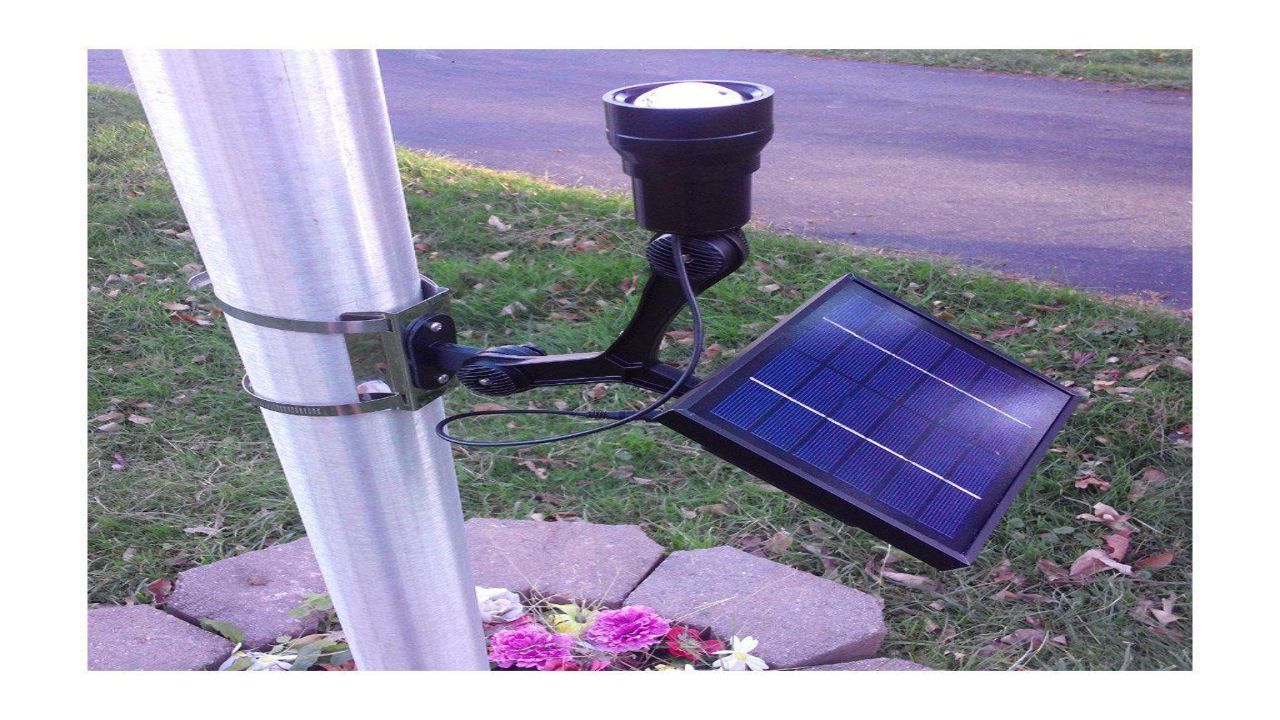
A cleat is the part where you tie off the halyard, and it should be placed at a comfortable height for access. You might also want a flash collar to cover the base of the pole and keep water from seeping in. Finally, if you want to fly your flag at night, add a solar or low-voltage light so it stays visible and respectful after dark.
Coastal Durability
If you live by the ocean, don’t underestimate the damage that salt air, humidity, and wind can do over time. Choose a pole that’s specially treated for coastal conditions. Look for powder-coated aluminum or marine-grade fiberglass. Avoid steel unless it’s stainless or galvanized—and even then, keep an eye out for rust.
Maintenance also plays a role in durability. Rinse your pole occasionally with fresh water to wash off salt, especially if it’s aluminum. Check ropes and hardware regularly for wear. A little care goes a long way toward keeping your flagpole looking great and working well, year after year.