
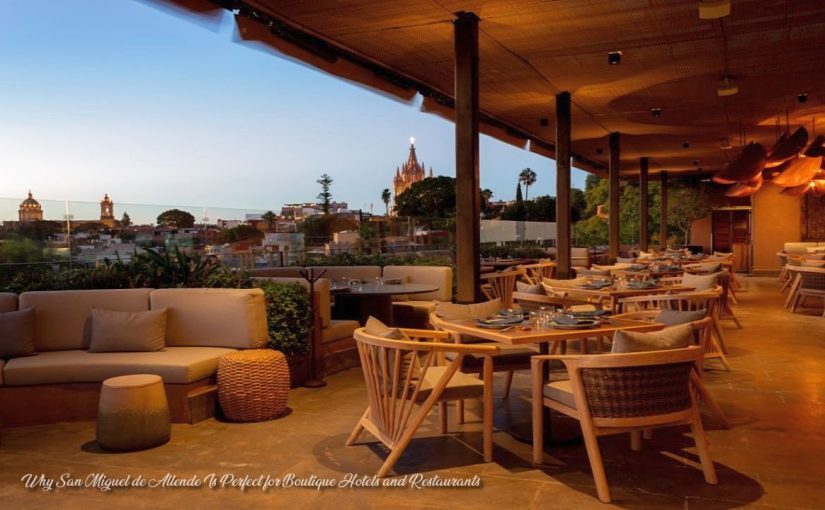
San Miguel de Allende gives hospitality operators something most destinations spend years trying to build: a strong identity that guests already recognize and actively seek out. The city combines UNESCO-listed heritage, a polished cultural image, an established food scene, and global travel recognition in one compact setting. In 2025, Travel + Leisure readers again ranked San Miguel de Allende among their favorite cities, while official tourism materials continue to position it as a destination known for art, cuisine, and romance. That mix creates the kind of emotional pull boutique hotels and destination restaurants need.
For owners, developers, and hospitality entrepreneurs, that matters. A boutique concept works best when the location already carries a sense of place, a visual signature, and a steady flow of visitors who value experience over volume. San Miguel checks those boxes with unusual consistency, which helps explain why local market watchers, including bhhscolonialhomessanmiguel.com, keep seeing strong potential in hospitality-linked properties across the city.
The City Already Has a Story Guests Want to Buy Into
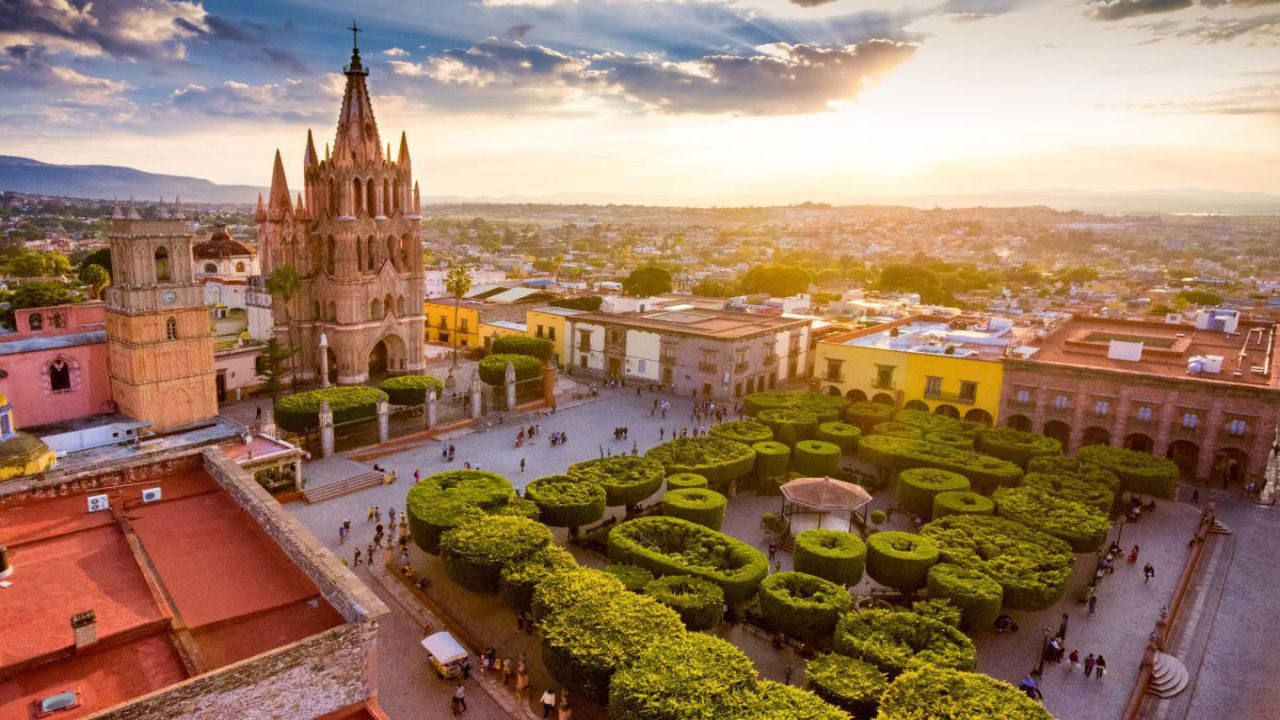
Many hotel and restaurant brands struggle because they have to invent an atmosphere from scratch. San Miguel starts at a different level. UNESCO inscribed the Protective Town of San Miguel and the Sanctuary of Jesús Nazareno de Atotonilco on the World Heritage List in 2008 under criteria tied to cultural exchange and architectural value. That recognition gives the city instant credibility, especially for travelers who care about heritage, design, and authenticity. When a guest checks into a restored colonial house or books dinner in a candlelit courtyard, the setting already carries meaning.
That kind of built environment favors smaller hospitality formats. Boutique hotels benefit from properties with character, layered materials, and a strong visual identity. Restaurants benefit from intimate rooms, terraces, rooftops, and courtyards that feel memorable before the first drink arrives. In San Miguel, the city itself helps create that effect. Operators do not need to overbuild or oversell. The architecture, streetscape, and rhythm of the center do a good share of the work.
The Visitor Base Comes Looking for Experience, Not Generic Convenience
San Miguel appeals to travelers who actively choose atmosphere, culture, and local identity. Official tourism messaging highlights art, cuisine, and romance as core parts of the destination, while Condé Nast Traveler and Travel + Leisure continue to place the city in the global conversation around high-value leisure travel. That is an ideal audience for boutique hospitality. These guests tend to care about design, story, service, and mood. They are more likely to remember a rooftop breakfast, a well-styled suite, or a dining room with local ingredients than a standard room or a predictable chain menu.
The city also stays active through cultural programming rather than relying on one narrow travel season. The official events calendar shows a steady lineup of concerts, screenings, art-focused programming, and seasonal celebrations. City-backed listings also highlight events tied to food, crafts, and traditions, including culinary pop-ups, artisan fairs, and Día de Muertos programming. For restaurants and boutique hotels, that creates recurring reasons to visit and return, which is far better than depending on weekend traffic alone.
The Urban Layout Encourages the Kind of Spending Boutique Businesses Need
Compact, walkable cities create stronger hospitality economics than many operators realize. Travel + Leisure readers praised San Miguel de Allende in part because visitors can walk to major attractions, shops, museums, and restaurants with ease. That matters because walkability increases spontaneous spending. A guest who strolls out for coffee often stays out for lunch, shopping, cocktails, and dessert. In a car-dependent destination, those extra touchpoints shrink fast. In San Miguel, they stack naturally.
San Miguel also offers access without the friction of a giant metro center. Official tourism guidance points travelers to Querétaro International Airport at roughly one hour away and Bajío International Airport near León at roughly ninety minutes away, with domestic and international connections from major cities. That gives visitors practical entry points while preserving the feel of a smaller, more personal destination after arrival. For boutique operators, that balance is valuable. Guests can reach the city without much trouble, yet the experience still feels distinct and removed from mass-market tourism.
The Food Scene Is Large Enough to Matter and Focused Enough to Stay Interesting
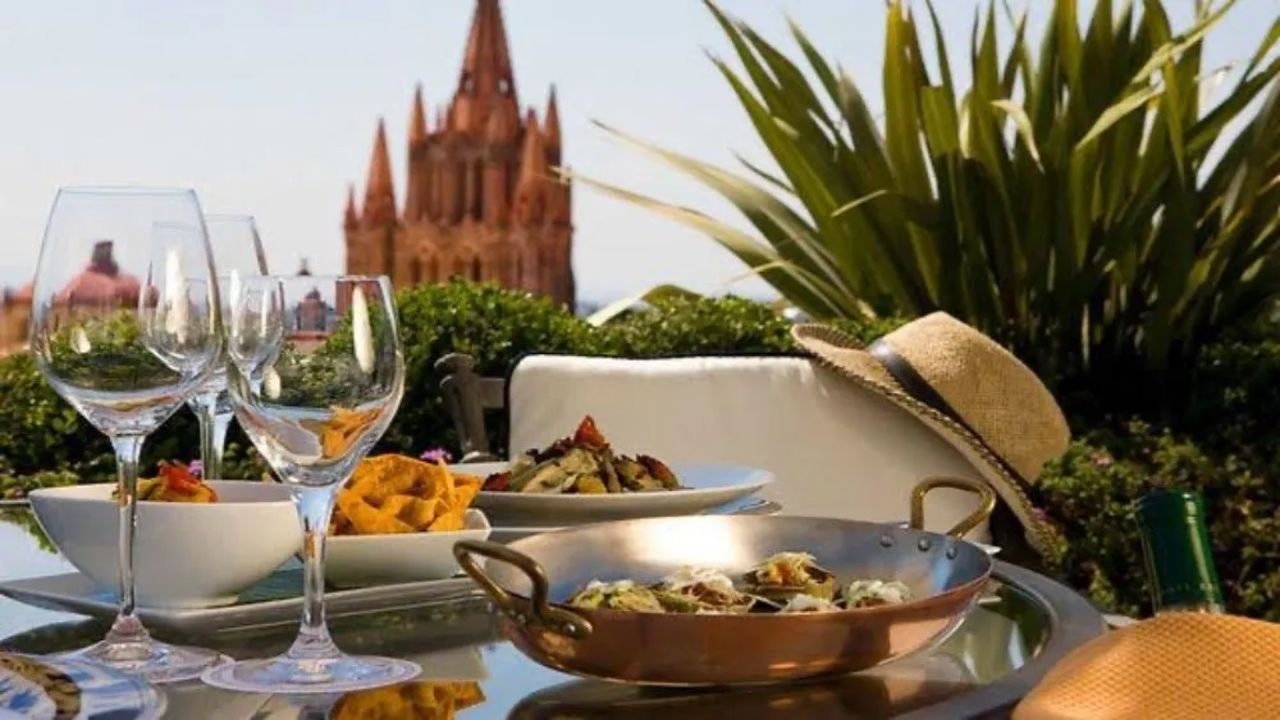
A serious restaurant market needs both depth and identity. San Miguel has both. The official tourism site promotes the city as a leading gastronomic destination in Mexico and states that visitors can choose from more than 300 restaurants, bars, and terraces. That volume signals healthy demand and a dining culture with real variety, but the city’s scale still allows individual concepts to stand out. A thoughtful chef-driven restaurant, wine-forward terrace, bakery, tasting room, or all-day cafe can still build a clear local following instead of disappearing into an oversized market.
The culinary offer also extends beyond one style or one neighborhood mood. Official tourism content highlights vineyard experiences close to town, country restaurants tied to local ingredients and rural projects, and events centered on traditional cuisine and corn-based dishes. Forbes Travel Guide’s coverage of local luxury hospitality reinforces the same pattern, noting farm-linked sourcing and Mexican wine pairings at high-end properties. That range gives restaurant operators room to position themselves with precision. They can lean traditional, contemporary, regional, wine-led, design-led, or experience-led without feeling disconnected from the city’s broader food identity.
The Hotel Market Rewards Character and Service
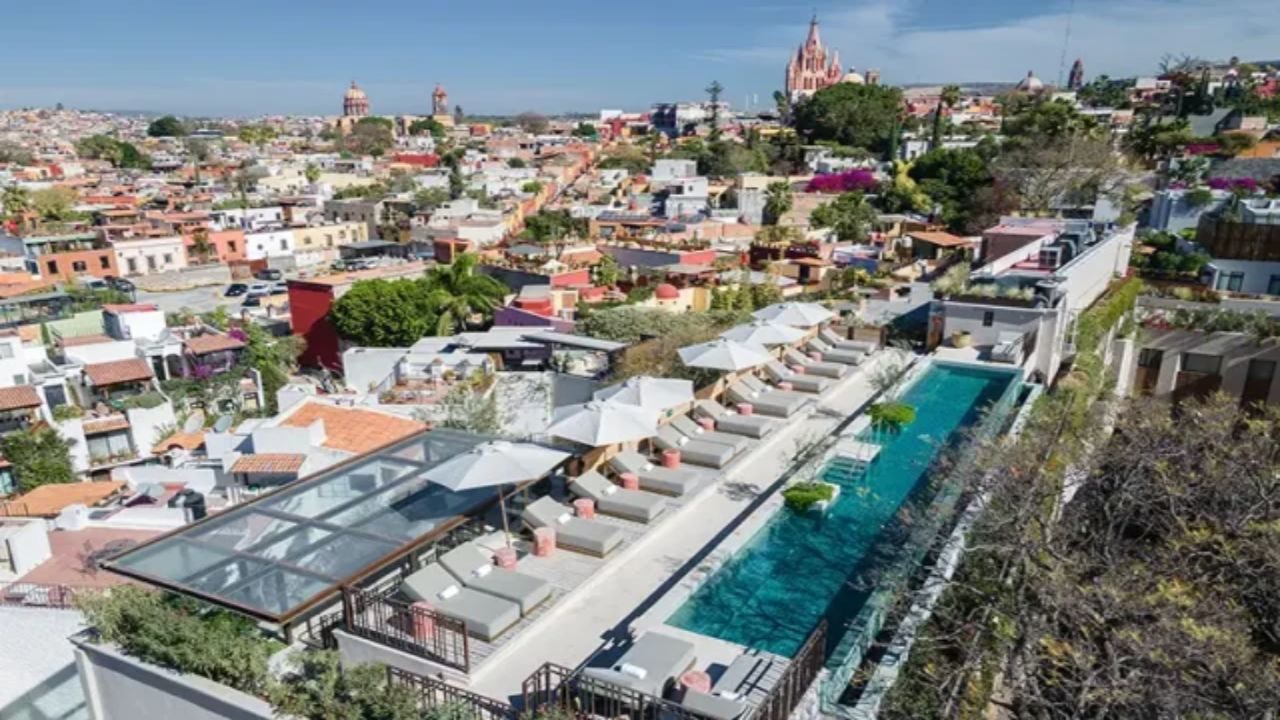
San Miguel is one of the rare cities where smaller-format lodging feels like the right product, not a compromise. The official hotels portal presents the destination as one of central Mexico’s most attractive lodging markets, with stays that blend comfort and cosmopolitan appeal. Independent and luxury-leaning hospitality already have a visible place here, which helps set guest expectations. Travelers arrive ready for a more personal experience, higher design standards, and a stronger sense of place than a standard business hotel would typically offer.
Third-party luxury travel coverage points in the same direction. Forbes Travel Guide features multiple San Miguel properties and describes them through art, architecture, spa culture, local dining, and destination atmosphere rather than through room count alone. Individual hotel profiles reinforce the appeal of intimate formats. Casa de Sierra Nevada, for example, spreads across historic colonial buildings and has just 37 rooms and suites, while Hotel Matilda is presented as an art-focused gathering place with standout cuisine. Those are not side notes. They show the market already values boutique scale, design personality, and curated service.
New Hospitality Concepts Can Fit the City Without Fighting It
Some markets force operators into extremes. They either chase mass volume or spend heavily to manufacture exclusivity. San Miguel offers a better middle ground. A well-executed boutique hotel can work in a restored residence, a small compound, or a polished adaptive-reuse property. A restaurant can thrive through atmosphere, chef identity, terrace service, wine programming, or local sourcing instead of relying on sheer size. The city’s existing appeal gives these businesses a running start, and the guest profile tends to reward detail.
That is what makes San Miguel de Allende so compelling for boutique hotels and restaurants. The city offers beauty, recognition, cultural activity, food credibility, and practical access in one package. Few destinations combine all of that with the same consistency. For hospitality brands that want a strong backdrop and guests who notice the difference between generic and memorable, San Miguel is not a difficult case to make. It is one of the clearest boutique hospitality plays in Mexico today.