
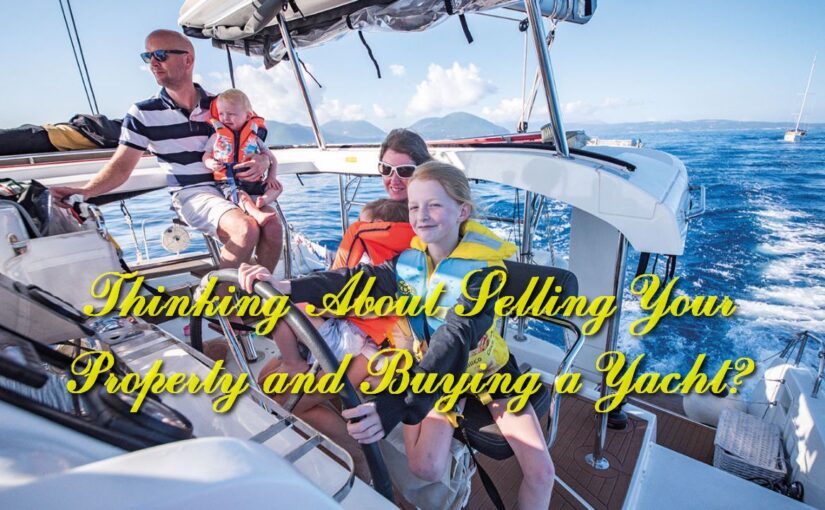
The dream of escaping the mundane and starting a life of adventure on the open seas captivates many. Selling all your property to companies like those who advertise themselves, stating something like we buy houses in Basehor, and purchasing a yacht to explore the world’s waters is alluring. The freedom, the serenity of the ocean, and the promise of new horizons every day can be incredibly tempting. However, such a drastic lifestyle change comes with its own set of challenges and considerations.
Living on a yacht presents a unique blend of benefits and drawbacks that must be carefully weighed before making such a significant decision. It involves evaluating financial implications, understanding lifestyle changes, and being prepared for the realities of life at sea.
Financial Considerations
Selling everything to buy a yacht involves substantial financial implications. First, you must evaluate the market value of your current assets, including property, vehicles, and other possessions. This will give you a clear picture of how much capital you can generate for your new lifestyle. Yachts vary significantly in price, depending on size, age, and amenities. It’s essential to set a realistic budget that covers not only the purchase but also ongoing expenses.

Owning a yacht comes with ongoing costs such as maintenance, mooring fees, insurance, fuel, and crew (if needed). Maintenance is particularly crucial as yachts require regular upkeep to remain seaworthy and comfortable. These costs can add up quickly and must be factored into your financial planning. Additionally, you may face unexpected repairs or emergencies that necessitate a financial cushion.
On the positive side, selling a property can free up significant capital. If you have substantial equity in your home, selling it might provide enough funds to purchase a yacht outright, reducing or eliminating debt. It’s also worth considering potential tax implications and consulting with a financial advisor to ensure you understand the full financial landscape of such a decision.
Lifestyle Changes
Transitioning from a land-based lifestyle to living on a yacht represents a drastic shift. Space on a yacht is limited, requiring you to downsize significantly. This means parting with many possessions and adopting a minimalist lifestyle. While some find this liberating, others may struggle with the lack of space and amenities they are accustomed to.

Life on a yacht offers unparalleled freedom and adventure. You can explore remote islands, coastal towns, and pristine waters at your leisure. The ability to travel and live wherever you anchor is a significant draw for many. However, this nomadic lifestyle also means adapting to a constantly changing environment and potentially being away from family and friends for extended periods.
Socially, living on a yacht can be both enriching and isolating. You’ll have the chance to meet fellow sailors and form a close-knit community. Yet, the transient nature of this lifestyle can make long-term relationships challenging. It’s important to assess your social needs and whether you are comfortable with the potential isolation that can come with living at sea.
Freedom and Adventure
One of the most compelling reasons to sell everything and buy a yacht is the promise of freedom and adventure. The open sea offers an unparalleled sense of liberation. You are free to chart your course, explore new destinations, and live on your terms. This lifestyle allows you to experience diverse cultures, cuisines, and landscapes in a way that few others can.
However, this freedom comes with responsibilities. Navigating international waters requires knowledge of maritime laws, customs regulations, and safe sailing practices. You must be prepared to handle various challenges, from changing weather conditions to mechanical issues. This necessitates a degree of self-sufficiency and problem-solving skills.
Moreover, the adventure of yacht living often involves a steep learning curve. If you’re new to sailing, you’ll need to invest time and possibly money into learning how to operate and maintain your yacht. This can be a rewarding experience, but it’s crucial to be realistic about the commitment required to live safely and comfortably on the water.
Practical Challenges
Living on a yacht involves practical challenges that are not present in a land-based home. Space is limited, which means careful planning and organization are essential. You’ll need to manage supplies, including food, water, and fuel, more diligently. Storage space is at a premium, and everyday tasks like cooking, cleaning, and bathing may require different approaches.
Access to services and amenities can also be limited. Healthcare, internet connectivity, and other conveniences we take for granted on land may not always be readily available. It’s important to plan for these contingencies, including having a reliable way to communicate in case of emergencies and understanding where to access medical care when needed.
Additionally, the physical demands of yacht living should not be underestimated. Managing the boat, dealing with weather conditions, and handling maintenance tasks require a certain level of fitness and stamina. If you have health concerns or mobility issues, these practical challenges may significantly impact your ability to enjoy life on a yacht.
Environmental Impact
Yacht living has a unique environmental footprint. While it offers the opportunity to live closer to nature and reduce some forms of pollution, it also presents environmental challenges. Yachts consume fuel and can contribute to marine pollution if not managed responsibly. Understanding and mitigating your environmental impact is crucial for sustainable yacht living.
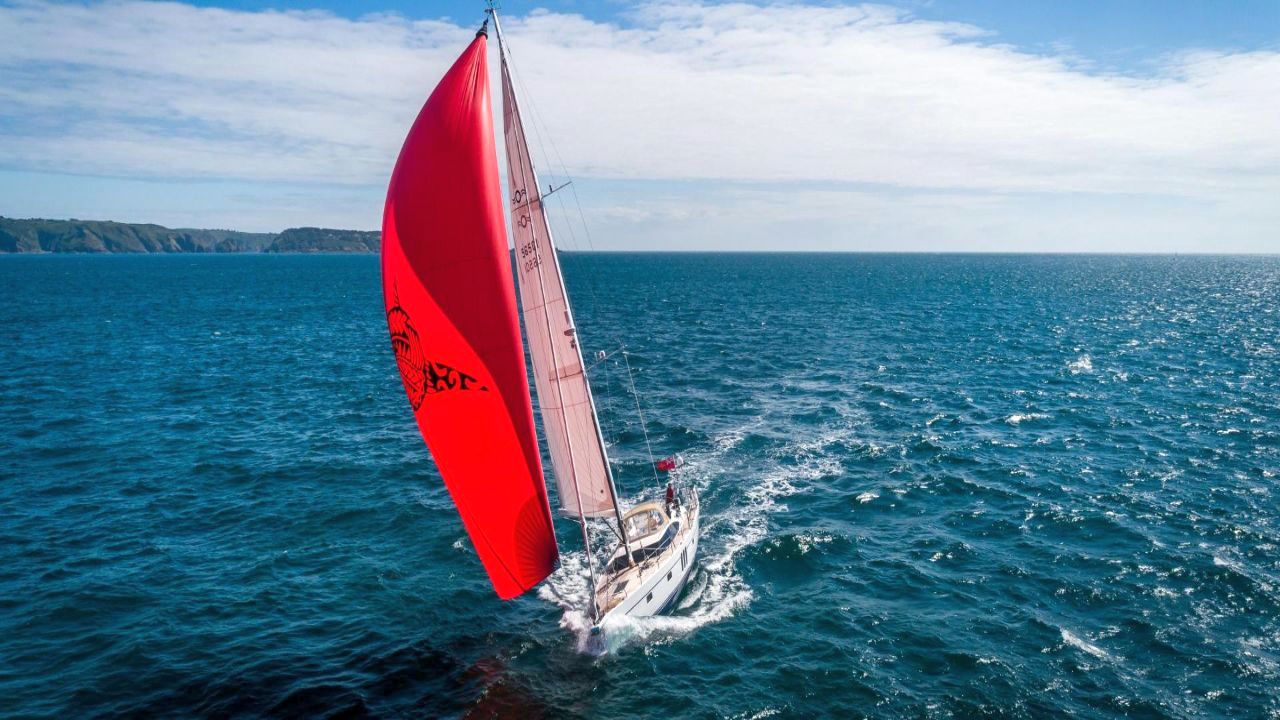
There are ways to minimize your environmental footprint while living on a yacht. Utilizing renewable energy sources such as solar panels and wind turbines can reduce reliance on fossil fuels. Implementing waste management practices, such as minimizing plastic use and properly disposing of waste, can help protect marine ecosystems.
Moreover, adopting a sustainable lifestyle on a yacht involves being mindful of your consumption and making environmentally friendly choices. This includes sourcing local and sustainable foods, reducing energy consumption, and supporting conservation efforts. By prioritizing sustainability, you can enjoy the benefits of yacht living while minimizing its environmental impact.
Long-Term Viability
Considering the long-term viability of living on a yacht is essential. While the idea of permanent adventure is appealing, it’s important to think about the future. As you age, your needs and capabilities may change, making yacht living more challenging. Planning for these changes is crucial to ensure a comfortable and secure lifestyle.
Think about your long-term financial stability. While a yacht can be a significant investment, it may not appreciate in value like real estate. Consider how you will sustain your lifestyle in retirement and whether you have sufficient savings and investments to support your needs. Diversifying your financial portfolio can provide a safety net for the future.
Finally, consider your exit strategy. If, at some point, you decide to return to land-based living, having a plan in place will make the transition smoother. This might involve keeping some real estate investments, maintaining relationships with family and friends, or having a clear financial strategy for selling the yacht and reintegrating into a land-based lifestyle.